Thoughtful Care. Cleaner Properties.
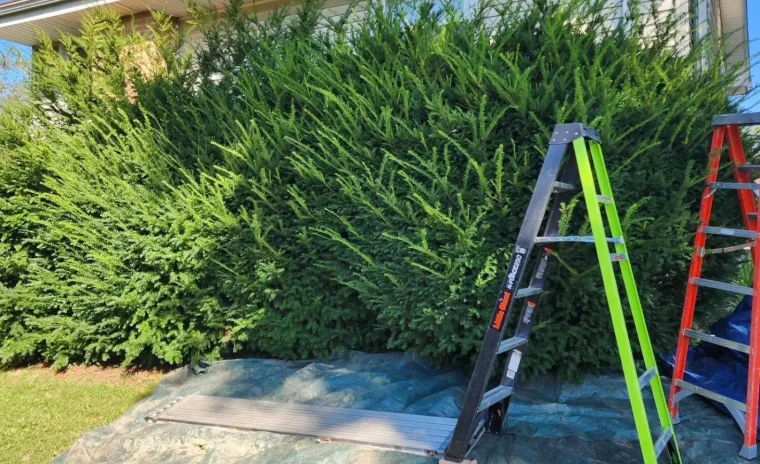
Marion Landscaper Blends Trees and Terrain Beautifully
Why Hiring a Landscaper Delivers Results That Last
Many homeowners start a yard project with high hopes and a weekend’s worth of ambition, only to find themselves facing uneven drainage, poorly placed hardscaping, or plantings that struggle to survive the first season. The difference between a yard that looks good for a few months and one that adds lasting value to your property often comes down to thoughtful design and execution grounded in local knowledge.
A skilled landscaper understands how central Ohio’s clay-heavy soils behave during spring thaws, where water will pool after heavy rains, and which plant selections will thrive through humid summers and cold winters. In Marion and surrounding areas, properties often feature sloped lots, mature trees that must be preserved, and varying sun exposure that changes throughout the seasons. These factors require more than enthusiasm; they demand careful planning.
Working with a landscaper also means avoiding costly mistakes. Grading and drainage issues, for example, are difficult and expensive to fix after hardscaping is installed. A landscape design that accounts for underground utilities, root zones of existing trees, and long-term maintenance needs will save you time, frustration, and money. When you partner with a team that combines tree care expertise with landscape installation, like R.L.W. Tree Care, you gain insight into how trees interact with your yard’s overall design, ensuring that your investment grows in beauty and function year after year.
Assessing Your Space and Setting Achievable Goals
Before breaking ground or ordering materials, take time to observe your property through the seasons. Walk your yard in early spring when water runoff is most visible, again in midsummer to identify dry or shaded zones, and in fall to see where leaves and debris accumulate. These observations reveal drainage patterns, sun exposure, and microclimates that will shape your design decisions.
Ask yourself what you need your outdoor space to do. Do you want a low-maintenance retreat? A play area for children or pets? Space for outdoor entertaining? Room for vegetable or flower gardens? Each goal will influence your choice of materials, plantings, and layout. In central Ohio, homeowners often balance the desire for curb appeal with the practical need for functional spaces that withstand freeze-thaw cycles and seasonal storms.
Set a realistic budget and timeline. Landscaping projects often unfold in phases: grading and drainage first, then hardscaping, followed by plantings and finishing touches. Phasing allows you to prioritize the structural elements that prevent future problems, such as proper yard grading to direct water away from foundations, or walkway construction that accounts for root growth from nearby trees.
If your property includes mature trees, factor them into every decision. Tree roots extend far beyond the canopy, and construction or grade changes can damage root systems and destabilize trees. A landscaper with tree service expertise can assess which trees to protect, which may need pruning or cabling, and how to design around root zones without sacrificing your vision.
Hardscaping Foundations: Patios, Walkways, and Retaining Walls
Hardscaping forms the backbone of any well-designed landscape. Patios, walkways, retaining walls, and outdoor steps define your yard’s structure and provide year-round usability. In Marion and Delaware, where soil moisture fluctuates and freeze-thaw cycles can shift improperly installed materials, quality hardscaping installation is essential.
Start with proper base preparation. A stable foundation of compacted gravel prevents settling and ensures that pavers, stone, or concrete remain level through seasonal changes. Drainage must be designed into every hardscape element; water should never pool on patios or against retaining walls. Sloped walkways should be graded to shed water while remaining safe to navigate.
Material selection matters. Natural stone offers timeless beauty and integrates well with tree landscaping, but requires skilled installation. Pavers provide versatility and easier repair if tree roots shift the ground over time. Concrete can be durable and cost-effective when finished correctly. The right choice depends on your budget, aesthetic preferences, and site conditions.
Retaining walls serve both functional and visual purposes. They manage slopes, prevent erosion, create terraced planting beds, and add dimension to flat yards. In areas with heavy clay soils, proper drainage behind retaining walls is critical to prevent failure. Walls must also respect the root zones of nearby trees; digging too close can destabilize both the tree and the wall.
When hardscaping is integrated with thoughtful landscape design, it enhances your property’s value and usability. The team at R.L.W. Tree Care combines landscape installation expertise with an understanding of how trees and terrain interact, ensuring that every element works together for lasting results.
Integrating Trees and Greenery for Beauty and Function
Trees anchor your landscape, providing shade, privacy, windbreaks, and seasonal interest. A well-placed tree can reduce cooling costs in summer, frame views, and increase property value. But trees also present design challenges: their roots compete with turf and plantings, their canopies cast shade that limits plant choices, and their growth over time can overwhelm poorly planned spaces.
Start by assessing existing trees. Mature trees are irreplaceable assets, but they may need pruning to improve structure, remove hazards, or allow light to reach understory plantings. Trees showing signs of decline, pest damage, or structural weakness should be evaluated by an arborist before you invest in surrounding landscaping. Removing a hazardous tree early prevents future damage to hardscaping, lawn, or garden beds.
When adding new trees, choose species suited to central Ohio’s climate and your specific site conditions. Consider mature size, growth rate, root behavior, and maintenance needs. A tree planted too close to a walkway or patio will eventually heave pavers or crack concrete. A tree with aggressive surface roots will make lawn care difficult. Thoughtful placement prevents conflicts and maximizes long-term benefits.
Integrate trees into your overall yard design by layering plantings beneath and around them. Shade-tolerant groundcovers, hostas, ferns, and woodland perennials thrive under canopies. Mulch beds around tree bases protect roots, conserve moisture, and reduce mower damage. Avoid piling mulch against trunks, which invites rot and pest problems.
R.L.W. Tree Care specializes in both tree service and landscaping, offering a seamless approach to tree health and yard design. Whether you need pruning to open up a canopy, removal of a declining tree, or guidance on integrating new plantings, our team ensures that every tree contributes to a cohesive, functional, and beautiful outdoor space.
Maintenance Planning for Long-Term Landscape Health
A beautiful landscape is not a one-time achievement; it requires ongoing care to remain healthy, attractive, and functional. Planning for maintenance from the start will save you time and preserve your investment.
Lawns need regular mowing, aeration, and seasonal fertilization. In central Ohio, cool-season grasses such as fescue and bluegrass perform best, but they require consistent care to withstand summer heat and winter stress. Proper mowing height, typically three inches or more, encourages deep roots and crowds out weeds. Aeration in early fall relieves soil compaction and improves water infiltration, especially important in clay soils common to Marion and Delaware.
Mulch beds should be refreshed annually to suppress weeds, retain moisture, and maintain a tidy appearance. Mulch breaks down over time, and replenishing it protects plant roots and reduces maintenance labor. Edge beds cleanly to prevent grass encroachment and define landscape areas.
Trees and shrubs benefit from periodic pruning to remove dead or crossing branches, maintain shape, and promote healthy growth. Pruning during dormancy minimizes stress and reduces disease risk. Large trees may require professional pruning to ensure safety and preserve structure. Regular inspection for signs of disease, insect damage, or structural issues allows you to address problems before they become costly.
Irrigation systems, if installed, should be checked each spring and winterized each fall. Adjust watering schedules based on rainfall and seasonal needs; overwatering is as harmful as drought. Drainage features such as French drains, swales, or catch basins should be cleared of debris to function correctly.
Landscaping maintenance can be managed by homeowners with time and knowledge, but many property owners prefer to partner with a service that understands both lawn care and tree health. R.L.W. Tree Care offers landscaping maintenance, tree pruning, and yard care services that keep your outdoor space looking its best year-round, allowing you to enjoy your yard without the burden of constant upkeep.